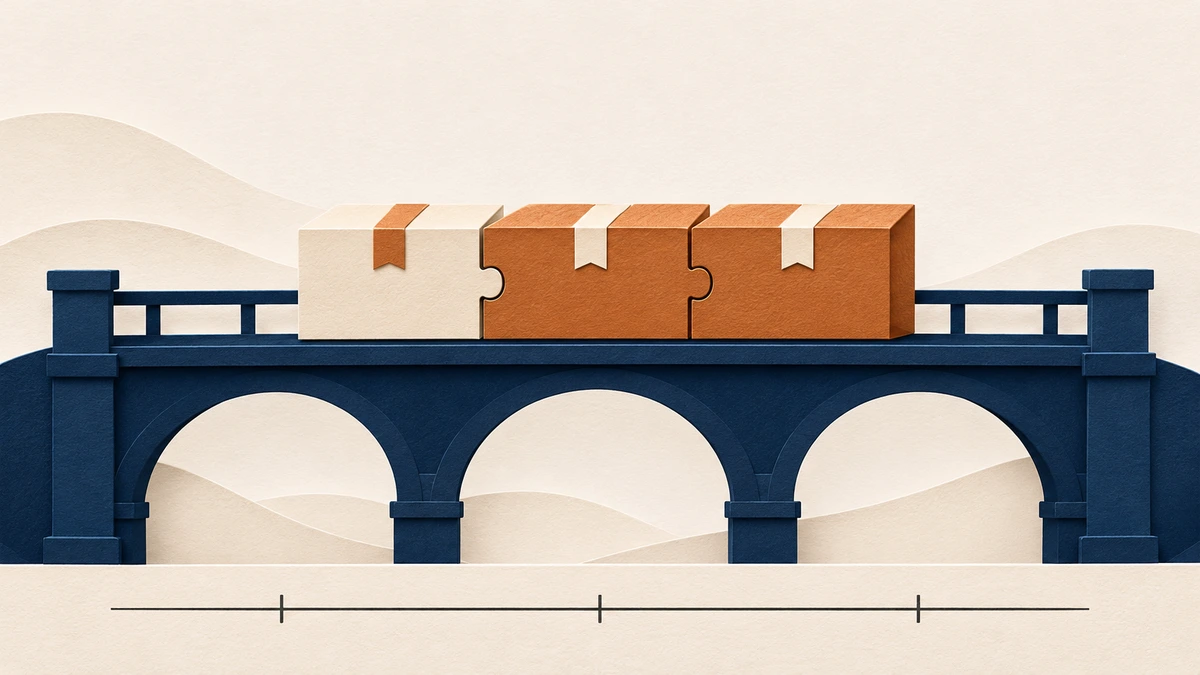
More customer revenue is valuable only when the relationship becomes more useful
Many businesses measure the first sale closely and everything after it loosely. Marketing reports acquisition, sales reports new contracts and finance records total revenue. No one owns the question that sits between them: what useful value should this customer receive next?
Revenue per customer can rise through a repeat purchase, a larger quantity, broader scope, higher service level, recurring relationship or justified price change. Each route can strengthen the business. Each can also produce discount dependence, unwanted contact, delivery overload or a short-term invoice that makes renewal less likely.
My verdict is direct: expand customer value before attempting to expand customer spend. Confirm that the first outcome is working, identify a relevant next need and offer the smallest addition that can be delivered profitably. The customer should be able to say no without the core experience becoming worse.
This intent is narrower than choosing between acquisition and retention. It also differs from deciding whether to expand the whole product or service range. Here, the decision is how to create more value inside suitable existing relationships.
The Customer Value Expansion Gate
Use six checks before asking sales, account management or marketing to increase customer spend.
Did the first promise work?
Look for delivery, use, satisfaction or business progress—not payment alone.
Is the next problem real?
Use customer conversations, behaviour and service evidence rather than a sales target.
Is the customer ready now?
Match the offer to the natural purchase, renewal or operating cycle.
Will the addition contribute?
Include selling effort, fulfilment, support, discount, returns and cash timing.
Can the business contact responsibly?
Respect preference, consent, channel rules and the difference between service and promotion.
Can the promise be delivered?
Protect the core experience from queues, custom work and weak handovers.
GOV.UK recommends starting with records of who bought, what they bought and who stopped buying, while modelling how price changes affect sales, cash flow and profit. Its product-improvement guidance begins with existing customer needs and advises testing changes with a small group before wider commitment. Those are useful leadership boundaries: evidence first, exposure second, expansion third.
The Trust-to-Value Expansion Loop
A responsible expansion system begins with what happened after the sale, not with a list of products to push.
Read the relationship
Combine purchase history, use, support, feedback, outcomes and upcoming customer decisions.
Validate the next need
Ask what changed, what remains unresolved and whether action matters now.
Make one useful recommendation
Explain the outcome, fit, price, trade-offs and why doing nothing may be reasonable.
Protect the original promise
Track effort, quality, time to value, contribution and effects on the core service.
Improve the next decision
Feed acceptance, refusal, outcome and renewal evidence back into the customer and offer model.
Shopify's customer reports illustrate the measurement principle: customer cohorts can be compared through repeat purchase, amount spent per customer, average order value and retention at the same stage after the first order. Google Analytics also defines lifetime value from observed purchase, subscription and refund events. The tools differ by business model; the rule is constant—compare mature, like-for-like customer evidence rather than hopeful lifetime value.
A measurement system can connect first acquisition with later customer value, while practical AI support can help classify feedback and surface possible needs. Neither should decide that a customer deserves a sales message. The commercial owner must approve the audience, evidence, timing and claim.
Choose the action that fits the evidence
| What leadership sees | Decision | First action | Avoid |
|---|---|---|---|
| The first outcome is incomplete or complaints are open | Repair | Complete the promise and learn why value broke | Upselling to recover weak economics |
| Customers repeatedly request one adjacent outcome | Validate | Test scope, price and delivery with a bounded group | Building a full range from requests alone |
| A cohort repurchases naturally and remains profitable | Systemise | Make the next step easier and time it to the natural cycle | Blanket discounts |
| Revenue rises but support and delivery cost rise faster | Redesign | Reprice, narrow scope or improve delivery before scaling | Celebrating revenue per customer alone |
| The customer does not need the additional offer | Protect trust | Recommend no change and keep the core relationship useful | Manufacturing urgency |
If the existing relationship is unprofitable, use the separate guide on whether to retain, repair or leave an unprofitable customer. If the proposed lever is mainly price, use the Price Increase Readiness Gate. If discounts are hiding weak value, apply the Value Defence Ladder first.
Illustrative example: more billed scope creates less value
Illustrative example—not a client result. A professional-services firm asks account managers to increase revenue from every client. One client accepts a larger monthly scope, but the work requires senior exceptions, adds support requests and delays the original service. Billed revenue rises while contribution, delivery quality and renewal confidence fall.
The firm replaces the blanket target with the Customer Value Expansion Gate. It reviews delivered outcomes and repeated adjacent needs, then tests one clearly scoped reporting service with clients who already have the data, decision need and internal owner. Leadership compares acceptance, delivered outcome, service effort, contribution and renewal sentiment. The point is the method—not a forecast or claim of performance.
A 90-day customer-value growth plan
Reconcile the base
Define active customers and compare revenue, contribution, purchase history, service effort, outcomes and preferences by cohort.
Find one value gap
Interview suitable customers and customer-facing teams. Name one repeated next problem and the evidence that it matters.
Run a bounded offer
Select a small suitable group, confirm permission, explain the choice clearly and cap delivery or financial exposure.
Judge the relationship
Compare contribution, outcome, workload, refusal reasons and effects on renewal; scale, reshape or stop.
Communication must remain lawful as well as useful. The UK Information Commissioner explains that electronic marketing to individuals generally requires consent or every condition of the existing-customer exception, including a clear opt-out when details were collected and in every message. Rules differ by market and audience, so obtain appropriate advice; an existing relationship is not unlimited permission.
Review documented case evidence, the evidence standards and Thomas Ho's operator model. If customer records cannot reliably connect purchase, service and outcome, first ask whether the business needs a usable customer record system.
Evidence boundary: Sources and current search results were checked on 13 November 2026. No universal customer-value benchmark, guaranteed uplift or client result is used. The Customer Value Expansion Gate, Trust-to-Value Expansion Loop, decision matrix and 90-day plan are original ThomPerformance analysis.
Sources and evidence notes
Frequently asked questions
What does revenue per customer mean?
Revenue per customer is the revenue generated by a defined customer group over a defined period, divided by the number of customers in that group. Owners should also review contribution, service cost, purchase frequency, relationship length and cash timing, because higher revenue can still create weaker economics.
Should a business upsell every customer?
No. An additional offer should solve a relevant next problem, arrive at the right time and create acceptable value for both sides. A customer who has not received the promised first outcome, has complained, is financially unsuitable or does not need the addition should not be pushed into another purchase.
How can a service business increase revenue from existing clients?
Start with delivered outcomes and unresolved adjacent needs. Possible routes include deeper adoption, a broader scope, a recurring service, a higher service level or a justified price change. Test one route with suitable clients and compare contribution, delivery load, customer outcome and renewal—not billed revenue alone.
How should an ecommerce business measure repeat customer value?
Compare customer cohorts at the same age using repeat purchase, amount spent per customer, average order value, refunds, discounts and gross contribution. Do not compare a new cohort with customers who have had years to buy again, and do not treat projected lifetime value as cash already earned.
Can paid marketing increase revenue from existing customers?
Yes, when the audience, permission, timing and offer are appropriate. Paid media can support re-engagement or a relevant next purchase, but it cannot create customer value. Keep service messages separate from promotions, respect applicable privacy rules and judge the campaign through incremental contribution and customer response.
Earn the next sale by creating the next value
Revenue per customer should rise because the relationship becomes more useful, not because the customer faces more pressure. Confirm the first outcome, identify a relevant next need, protect contribution and capacity, and let customer response improve the next decision.
Which existing customer group has a valuable next problem—and what evidence would justify solving it now?